## Common Uses of Zinc


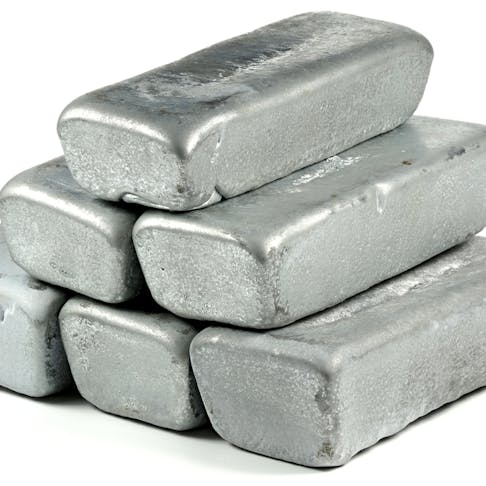
Industrial & Manufacturing
* Galvanization: Over 50% of global zinc production goes into coating steel or iron. Zinc acts as a "sacrificial anode," corroding itself to protect the underlying metal from rust.
* Alloying: Zinc is a primary component in brass (copper and zinc) and Zamak alloys used in die-casting for automotive parts, hardware, and electrical components.
* Batteries: Zinc is used in traditional alkaline batteries and is becoming a key player in next-generation zinc-air and zinc-ion batteries, which are safer and cheaper alternatives to lithium-ion for grid storage.
Health & Consumer Products
* Dietary Supplements: Zinc is an essential trace element. It supports immune function, DNA synthesis, and wound healing. Forms like zinc gluconate or acetate are common in cold lozenges.
* Zinc Oxide (ZnO): A white powder used in sunscreens (as a physical UV block), diaper rash creams, rubber vulcanization, and white pigments in paints.
* Personal Care: Zinc pyrithione is the active ingredient in most anti-dandruff shampoos to control fungal growth.
---
## Alternatives to Zinc

While zinc is effective, other materials can replace it depending on the specific application (cost, weight, or performance needs).
1. Alternatives in Corrosion Protection (Galvanization)
* Aluminum: Often used as a coating (Aluminizing) for high-temperature environments. Aluminum forms a hard oxide layer that is more durable than zinc in some marine settings.
* Magnesium: Increasingly used in "Zinc-Magnesium-Aluminum" (ZMA) coatings. These offer superior corrosion resistance with thinner layers, reducing overall weight.
* Stainless Steel: Instead of coating carbon steel with zinc, using stainless steel (which contains chromium) removes the need for a coating entirely, though at a much higher cost.
2. Alternatives in Batteries
* Lithium: The standard for portable electronics due to high energy density. However, zinc is becoming a "green" alternative because it is non-flammable and more abundant.
* Sodium: Sodium-ion batteries are a rising alternative to both zinc and lithium for large-scale energy storage due to the extreme abundance of salt.
3. Alternatives in Health & Nutrition
* Dietary Sources: For those avoiding supplements, zinc can be obtained naturally through oysters, red meat, poultry, beans, and fortified cereals.
* Titanium Dioxide: In sunscreens, titanium dioxide is the primary alternative to zinc oxide. It also provides a physical barrier against UV rays but is sometimes preferred for its different texture and "white cast" profile.
---
## How These Alternatives are Used

| Application | Alternative | How It's Used |
| :--- | :--- | :--- |
| Metal Coating | Aluminum/Magnesium | Applied via "hot-dip" or thermal spraying to protect car frames and industrial pipes. |
| Sunscreen | Titanium Dioxide | Mixed into lotions as a mineral filter that reflects UV light away from the skin. |
| Energy Storage| Lithium-Ion | Used in high-performance EVs and smartphones where weight and fast charging are critical. |
| Hardware | Plastic/Composites | High-strength polymers are replacing zinc die-cast parts in lightweight consumer electronics. |